Cryptocurrency Posts
Crypto Briefing
The drone strike exacerbates Ukraine's strategic challenges, diminishing market confidence in its ability to reclaim Crimea soon.
The post A Russian jet drone reportedly hit a high-rise in Boryspil, east of Kyiv, tonight appeared first on Crypto Briefing.
ByteDance's massive AI investment could reshape global tech infrastructure, challenging US dominance and navigating complex regulatory landscapes.
The post ByteDance borrows $30B to invest in AI infrastructure appeared first on Crypto Briefing.
Anthropic's IPO could reshape the AI industry landscape, intensifying competition and influencing market dynamics and investment strategies.
The post Anthropic prepares to file IPO prospectus amid explosive AI revenue growth appeared first on Crypto Briefing.
Anthropic's IPO could reshape AI investment trends, influencing market dynamics and setting benchmarks for future tech public offerings.
The post Anthropic set to file IPO prospectus, testing AI investment appetite appeared first on Crypto Briefing.
Altman's critique highlights the risk of centralizing AI power, urging a shift towards empowering individuals and fostering entrepreneurship.
The post OpenAI CEO Sam Altman critiques industry power dynamics, calls fear-based AI messaging ‘fundamentally anti-human’ appeared first on Crypto Briefing.
Bitcoin Magazine
Bitcoin Magazine
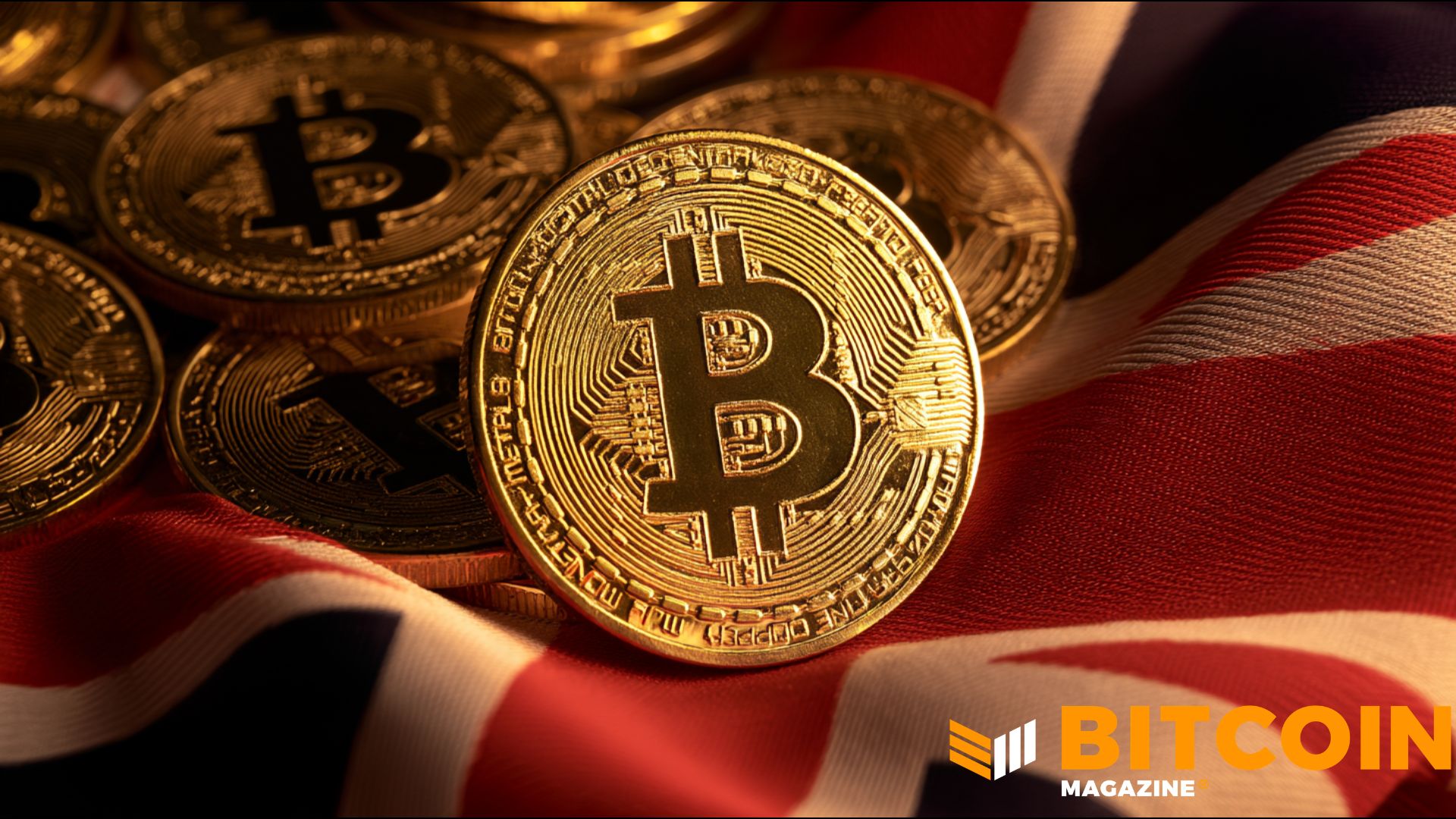
Hargreaves Lansdown Reverses Course, Rolls Out Bitcoin Trading
British financial services firm Hargreaves Lansdown is letting retail investors buy bitcoin — nearly one year after it said the cryptocurrency was “not an asset class.”
The Bristol, UK-based investment firm’s website said it was offering bitcoin and other crypto exchange-traded notes to investors. ETNs are investment funds which trade on stock exchanges and track the prices of digital assets.
It comes after the firm, which manages nearly £173 billion (over $233 billion) in assets, last year warned customers about buying bitcoin.
NEW:
— Bitcoin Magazine (@BitcoinMagazine) September 4, 2026U.K.'s largest investment platform Hargreaves Lansdown is now offering Bitcoin products to 2 million clients!
pic.twitter.com/GgdeHK8vyM
“While longer-term returns of Bitcoin have been positive, Bitcoin has experienced several periods of extreme losses and is a highly volatile investment — much riskier than stocks or bonds,” the firm said at the time.
“The HL Investment view is that Bitcoin is not an asset class, and we do not think cryptocurrency has characteristics that mean it should be included in portfolios for growth or income and shouldn’t be relied upon to help clients meet their financial goals.”
Now, a number of ETNs tracking the price of bitcoin and other cryptocurrencies are available. The firm warns users that “crypto ETNs are considered high-risk and may be volatile.”
U.S. regulator the Securities and Exchange Commission in 2024 approved bitcoin exchange-traded funds for investors after a decade of saying no to the products.
The funds had the most successful debut in the history of ETFs as investors previously unable to buy exposure to the asset class rushed in to buy the products.
Run by top asset managers and banks like BlackRock, Fidelity, and Morgan Stanley, the investment vehicles now collectively manage over $100 billion in assets.
This post Hargreaves Lansdown Reverses Course, Rolls Out Bitcoin Trading first appeared on Bitcoin Magazine and is written by Mathew Di Salvo.
Bitcoin Magazine
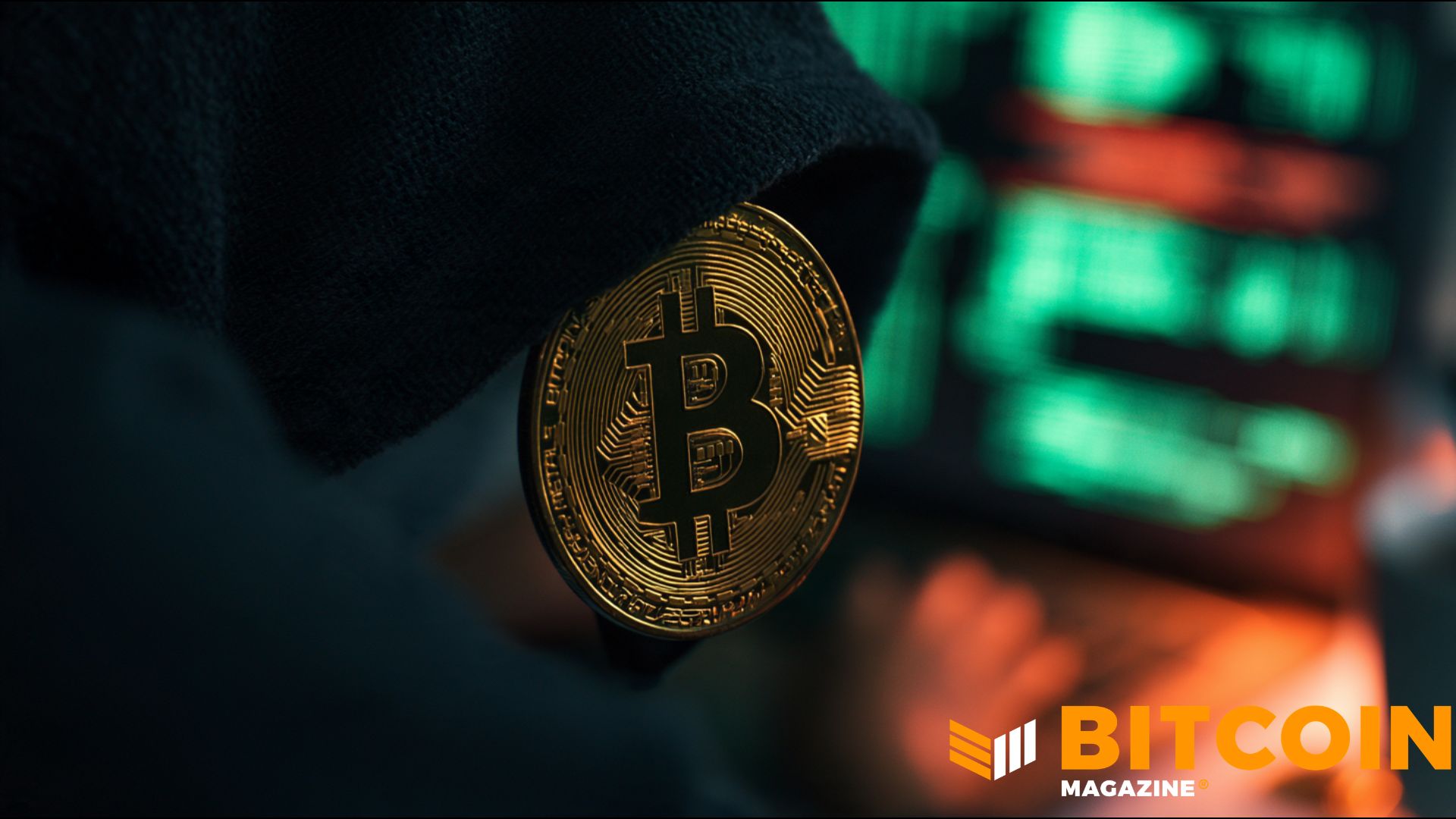
Trezor Breach Worse Than Reported: Another 67,000 US Customers Exposed
Hardware wallet manufacturer Trezor has said that a data breach first announced last month is worse than originally reported.
The Prague, Czech Republic-based company said Friday that an additional 67,000 U.S. customers had their names, emails, phone numbers, shipping addresses and order numbers leaked. The leaked data came from orders made between November 2019 and August 2021, according to Trezor.
Trezor first announced in August that data from 11,742 customers from the U.S., UK, Sweden, Colombia, Brazil, Italy, and Portugal had been exposed — with names, emails, phone numbers and shipping addresses leaked.
Another 1,947 customers just had their names, cities and emails exposed in the breach.
In Friday’s announcement, Trezor said that its third-party fulfillment partner, ShipMonk, had falsely reassured the company about deleting customer data.
“Throughout our entire relationship with ShipMonk, we repeatedly requested and received written assurance confirming the deletion of the data, in line with our contract, data policy, and past communications,” Trezor wrote.
“We are very disappointed that, despite receiving this confirmation, the data was not deleted in their systems.”
Neither Trezor nor ShipMonk immediately responded to Bitcoin Magazine’s questions.
Trezor first announced in August that the data had been leaked because ShipMonk experienced “unauthorized access to their systems containing customer data.”
The company added that it had directly emailed all customers involved in the breach. Trezor’s parent company, SatoshiLabs, told Bitcoin Magazine last month that it was investigating the incident.
Trezor is one of the most popular Bitcoin hardware wallet solutions, and also has support for storing other cryptocurrencies.
Bitcoiners’ personal data has been targeted by cybercriminals in the past: back in 2020, an unauthorized party accessed popular hardware manufacturer Ledger’s e-commerce and marketing database, leaking over 1 million email addresses and the personal contact data of nearly 10,000 customers.
At the start of this year, customers reported receiving emails from Global-e, Ledger’s payment partner, that a data breach at its cloud systems leaked sensitive customer data.
This post Trezor Breach Worse Than Reported: Another 67,000 US Customers Exposed first appeared on Bitcoin Magazine and is written by Mathew Di Salvo.
Bitcoin Magazine
El Salvador Isn’t Buying Bitcoin With Public Money, Says IMF
El Salvador has not used public funds to accumulate bitcoin since the International Monetary Fund’s last review of its loan program, the fund said Thursday.
In a report Thursday, the body said that the Central American country had instead received bitcoin from private donations, citing documentation from the government. It added that “no further Bitcoin accumulation beyond the documented donations is expected.”
El Salvador made headlines in 2021 when it became the first country in the world to make bitcoin legal tender. Salvadoran president Nayib Bukele in 2022 said the country would buy one bitcoin per day but it was never clear where the money was coming from — or if he was actually buying at all.
“Documentation has been provided verifying that Bitcoin accumulation since the first review reflects private donations and that no public resources were used,” the IMF release said.
“Understandings were also reached on steps to modernize the legal, regulatory, and supervisory framework for digital assets and to further strengthen the governance and risk-management arrangements for public-sector crypto-asset holdings. Going forward, no further bitcoin accumulation beyond the documented donations is expected.”
The report added that public participation in the government-sponsored bitcoin wallet has been largely wound down, with majority ownership and operational control handed to a private operator.
El Salvador in 2021 debuted a state-sponsored wallet called Chivo for its citizens as part of its plan to increase bitcoin adoption in the country.
“IMF staff thank the Salvadoran authorities for the constructive discussions and excellent collaboration,” the report added.
The IMF El Salvador entered a $1.4 billion loan agreement at the end of December but the fund asked for the country to scale back certain aspects of its bitcoin strategy.
Institutions like the World Bank and the IMF have long criticized President Bukele’s Bitcoin law, which also asked businesses to accept the cryptocurrency if they had the technological means to do so.
President Bukele in 2024 admitted that Salvadorans weren’t using the cryptocurrency to buy things as expected, but always boasted that the government was still stacking sats.
Since launching a crime crackdown to tackle the country’s notorious crime gangs, murder rates in El Salvador have plunged. The country was once the most dangerous place in the Americas but President Bukele is now trying to turn it into a tech hub.
Crypto companies like Tether have since relocated to its capital, San Salvador.
This post El Salvador Isn’t Buying Bitcoin With Public Money, Says IMF first appeared on Bitcoin Magazine and is written by Mathew Di Salvo.
Bitcoin Magazine

Bitcoin Dips Below $80,000 on Strong US Jobs Report
Bitcoin slid Friday after a better-than-expected labor report showed that the U.S. job market accelerated in August.
The leading cryptocurrency was recently trading for close to $79,764 after dropping as low as $78,706 earlier in the morning in New York. It’s currently down over 1% over a 24-hour period. On Thursday, the coin soared above $82,000.
The Federal Reserve is typically more likely to raise interest rates when the labor market is strong, because more people employed means more spending, and more spending can push inflation up.
Federal Reserve Chair Kevin Warsh last week gave his first major speech as head of the U.S. central bank and said he had “more work to do” to fight inflation. Bitcoin has typically done well in a low-interest rate environment.
Traders currently view a U.S. Federal Reserve interest rate hike at the upcoming September 15–16 policy meeting as roughly a 50% to 60% probability.
But U.S. President Donald Trump on Friday demanded the Federal Reserve slash interest rates.
Writing on his social media platform Truth Social, Trump said: “Lower the interest rates because the U.S.A. is a much stronger credit than it was just a short time ago!”
He added: “We should have the LOWEST RATE of any country in the World, like ‘the old days.'”
Bitcoin has decoupled from stocks recently as investors have renewed concerns around dollar debasement.
The cryptocurrency started surging last month, after the U.S. Treasury Department said it would more than double the size of its government debt repurchases. The coin had its best run in three years and third best August ever.
The much-talked about debasement trade is back in the spotlight, and bitcoin has been trading in lockstep with gold, according to analysts. The so-called debasement trade is when investors buy an asset as a way to hedge against a currency losing value.
News dropped last month that U.S. public debt exceeded $40 trillion for the first time too. Excessive debt also undermines confidence in the dollar, making assets like bitcoin and gold attractive.
This post Bitcoin Dips Below $80,000 on Strong US Jobs Report first appeared on Bitcoin Magazine and is written by Mathew Di Salvo.
Bitcoin Magazine
National Sheriffs’ Association Drops Opposition to Clarity Act
The National Sheriffs’ Association this week dropped its opposition to the crypto Clarity Act, after having previously warned that the proposed bill could help criminals.
Writing Thursday to Senate Majority Leader John Thune and Minority Leader Chuck Schumer, the association said it was changing its stance to neutral given how complex the issue is.
A number of lawmakers were hoping to vote on the Clarity Act in August. After a delay, a vote will now go ahead this month. The bill will establish a framework for distinguishing between digital assets that are securities, commodities or payment stablecoins — legislation that the crypto industry has long called for.
“Given the complexity of the legislation and the number of important details that remain under consideration, the NSA is changing its position on the Clarity Act to neutral,” the letter from NSA President Sheriff Troy Wellman and Executive Director Justin Smith read.
JUST IN: Major U.S. law enforcement organization National Sheriffs’ Association no longer opposes The Clarity Act
— Bitcoin Magazine (@BitcoinMagazine) September 4, 2026
“We believe the most appropriate course is to step back and allow the legislative process to proceed to establish a…much needed regulatory framework.”pic.twitter.com/NBpKlrUsUj
“At this time, we believe the most appropriate course is to step back and allow the legislative process to proceed to establish a clear, effective, and much needed regulatory framework.”
The NSA had previously warned that the bill could create regulatory and anti-money laundering loopholes by exempting certain crypto developers and infrastructure providers from money transmitter rules.
Despite being passed in the house of representatives last year with strong bipartisan support, the Clarity Act has been in a deadlock for much of 2026. The banking lobby raised concerns over stablecoin yield and some lawmakers have said improvements need to be made surrounding ethics.
An updated bill of the Clarity Act was introduced in July that addressed some of these concerns — banning government officials and their families from issuing or promoting crypto.
Pro-crypto senator Cynthia Lummis wrote on Friday that the “bipartisan bill” gives “law enforcement real tools to fight the illicit finance crimes hurting hard working Americans.”
Major financial institutions, lawmakers and companies have said they support the latest draft of the new bill, but some Republicans have accused Democratic lawmakers of deliberately playing politics and holding the bill back.
This post National Sheriffs’ Association Drops Opposition to Clarity Act first appeared on Bitcoin Magazine and is written by Mathew Di Salvo.
CryptoSlate
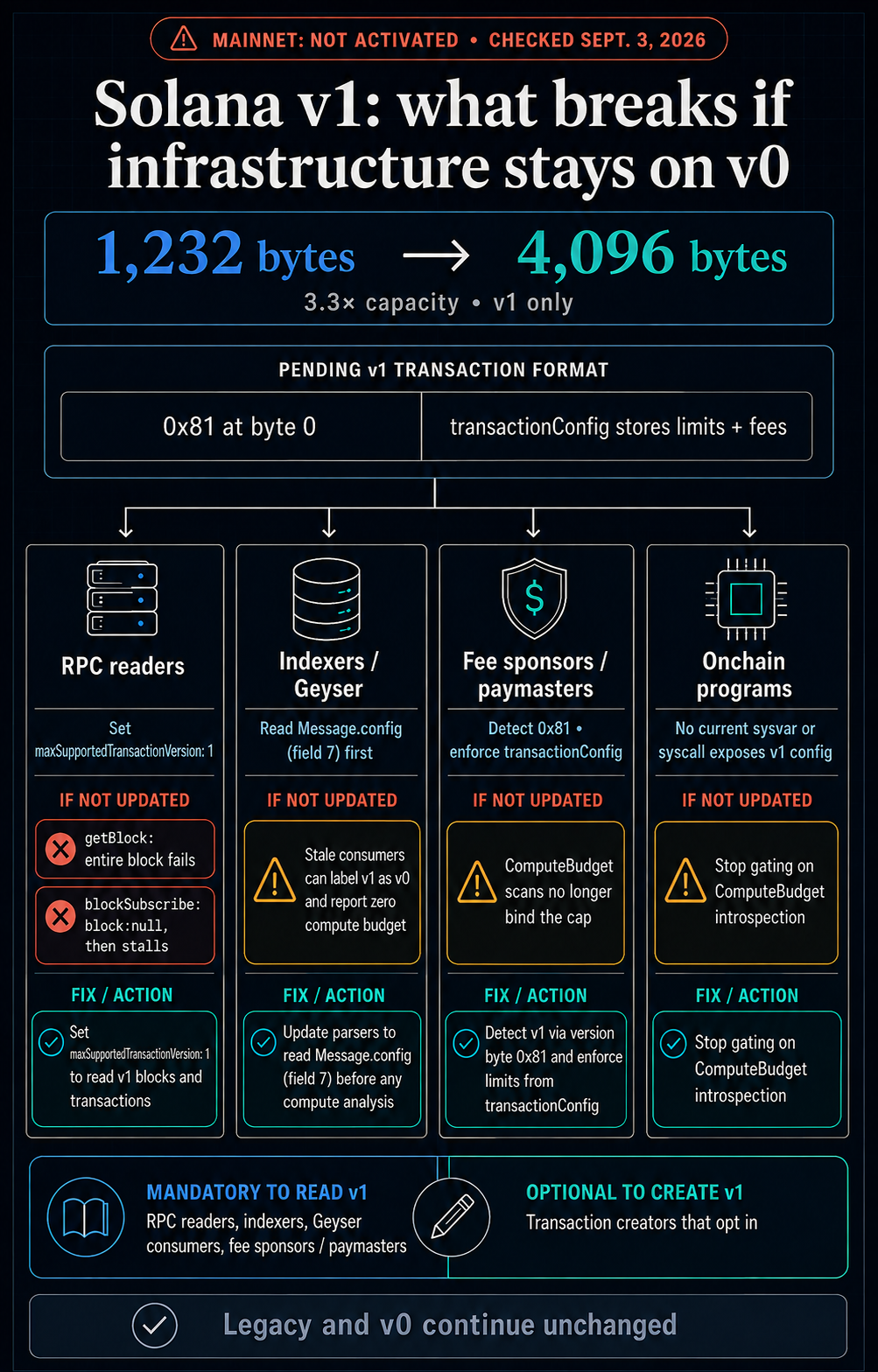
Solana’s v1 transaction format promises more than three times as much room per transaction, but RPC clients, indexers, relayers and fee sponsors that are not ready for it can fail in two very different ways: some systems stop, while others keep running with the wrong resource limits.
Solana’s live upgrade page still lists v1 as not activated on mainnet as of Sept. 4. Testnet is active and devnet is live in epoch 1140. A Solana changelog published Aug. 28 said v1 transactions were “coming soon,” leaving infrastructure operators a pre-activation window to update.
V1 raises the maximum payload from 1,232 bytes to 4,096 bytes, about a 3.3-fold increase. Legacy and v0 transactions keep their existing limits and behavior, so users and applications that continue using those formats do not need to migrate.
RPC consumers must pass the integer maxSupportedTransactionVersion: 1 when using getTransaction, getBlock or blockSubscribe. Without that opt-in, a v1 getTransaction request returns error -32015, one v1 transaction makes getBlock fail for the entire block, and blockSubscribe emits block: null and stops advancing at the first affected slot.
The parameter only tells the RPC service the highest format the client can decode. It does not request v1 data or change how legacy and v0 transactions are returned.
Other failures are quieter. V1 moves compute-unit limits, loaded-account data limits and priority fees into a transactionConfig object instead of ComputeBudget instructions. An indexer that keeps scanning those instructions will report a zero compute budget for every v1 transaction without raising an error.
Geyser and gRPC consumers face a related trap. The protobuf’s versioned flag is true for both v0 and v1. A stale consumer can therefore label v1 as v0 and preserve an empty budget. The fix is to regenerate the protobuf stubs and check for Message.config, field 7, before reading the flag.
Relayers, paymasters and other server signers must change their policy checks too. A sponsor that enforces a fee cap by scanning ComputeBudget instructions no longer has a binding cap because those instructions may appear in v1 but execute as no-ops. Servers must identify the 0x81 v1 prefix and enforce the fee and resource limits in transactionConfig. This is an application-control failure, not a consensus flaw or evidence that funds are automatically at risk.
Onchain programs face a harder constraint: Solana says no current sysvar or syscall exposes the v1 message configuration. Programs that gate behavior on introspected ComputeBudget instructions must stop relying on that check when v1 goes live.
Who needs to upgrade for Solana v1
The minimum reader-capable releases include @solana/kit 8.0.0, @solana/web3.js 3.0.0-rc.3, Rust solana-* 4.2.x, Python solders 0.29.0 and solana-go 1.23.0. The 1.x web3.js line can read v1 from 1.99.0-beta.0 but cannot build, sign or send it.
Yellowstone users need at least yellowstone-grpc-proto 12.6.0, geyser plugin 15.1.1, gRPC client 12.0.0 or @triton-one/yellowstone-grpc 6.0.0, depending on their stack.
Creating v1 transactions is optional. Teams that opt in must set compute-unit and loaded-account data limits explicitly because both default to zero, remove no-op ComputeBudget instructions, stop using address lookup tables and use base64 for payloads larger than 1,232 bytes. The immediate deadline is not a universal wallet migration. It is a compatibility test for every service that may read, index or sponsor somebody else’s v1 transaction.
The post Hidden Solana upgrade bug can freeze network readers and silently disable fee limits appeared first on CryptoSlate.
Bitwise has given the market a rare look inside an institutional XRP carry trade.
The Bitwise Crypto Carry Fund, or USCC, paired XRP held in custody with an almost equal short position in September Coinbase XRP futures. The structure was 97.48% matched by quantity, leaving limited exposure to a parallel move in XRP while positioning the fund to collect the premium between futures and spot.
At 4 p.m. EDT on Sept. 1, Bitwise's holdings table showed 10,781,438.36 XRP in custody and a displayed futures quantity of negative 10,510,000. The futures row carried a 14.57% implied-yield label.
The disclosure supports a specific conclusion about one private fund: XRP was serving as inventory for a near-market-neutral basis trade. Broader institutional XRP demand, including demand for Bitwise's separate spot product, remains outside the scope of this position.
How a 0.91% premium becomes a 14.57% annualized rate
The hedge coverage comes first. Dividing the futures quantity by the custody quantity produces a 97.48% offset and a residual long position of 271,438.36 XRP. The displayed notionals differ by $232,776.
| USCC XRP leg | Displayed quantity | Notional value | Calculated unit mark |
|---|---|---|---|
| Custody | 10,781,438.36 | $14,255,218 | $1.3222 |
| September Coinbase futures short | -10,510,000 | -$14,022,442 | $1.3342 |
| Calculated difference | 271,438.36 | $232,776 | Not applicable |
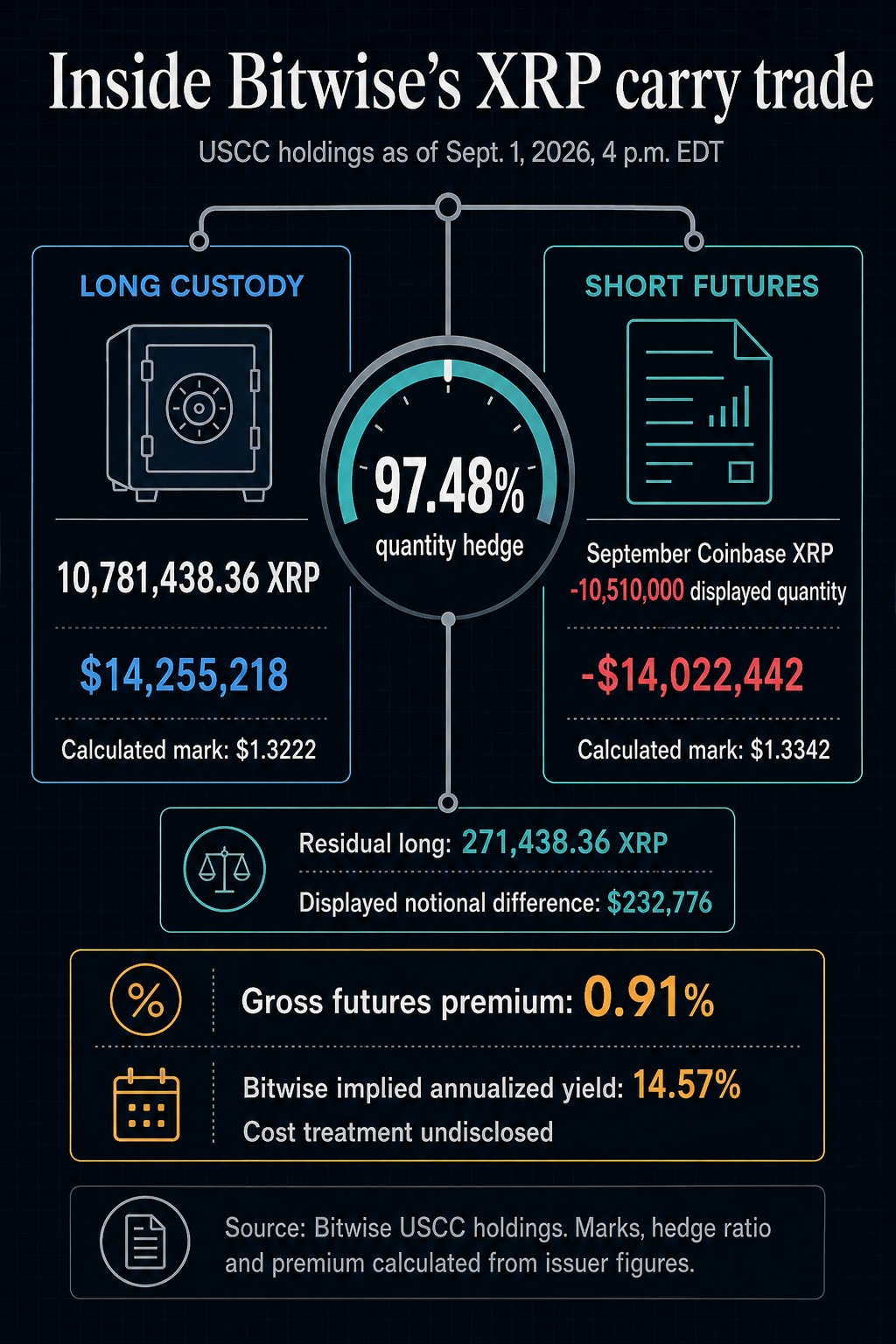
The spread is the second number. Dividing each notional by its displayed quantity produces a spot-equivalent mark of about $1.3222 and a futures-equivalent mark of $1.3342. The futures level was therefore roughly 1.2 cents, or 0.91%, above spot.
Cash-and-carry strategies seek to monetize that gap. A fund buys the asset and sells a future trading above it; convergence at settlement can lock in the premium while much of the asset's directional move cancels between the two legs. Bitwise describes USCC as a qualified-purchaser fund built to capture futures premiums over spot across crypto markets.
Annualization produces the third, and largest, number. Bitwise defines holding-level implied yield as an annualized figure if the position is held to maturity or otherwise not sold. Its 14.57% label therefore expresses a short-term premium as a yearly rate. The two displayed XRP marks differ by 0.91%.
Realized investor returns use a separate measure. Bitwise reports the fund's 30-day yield separately and lists a 0.75% management fee. The public methodology leaves the XRP line's treatment of execution, financing, custody, margin and roll costs unspecified, so 14.57% is best read as Bitwise's annualized implied rate for the displayed futures holding.
Residual risks remain even with a 97.48% quantity match. Spot and futures prices can move differently before settlement, the fund must maintain custody and margin, and the cash-settlement benchmark may differ from the price available for its custody inventory. The remaining 271,438.36 XRP also retains direct price exposure.
The public table supports the quantity comparison while leaving the contract count unresolved. A Coinbase Derivatives filing specifies 10,000 XRP for its standard monthly XRL future. Coinbase lists multiple XRP futures products, however, and Bitwise identifies the venue and month without publishing a product code. Any conversion of the displayed quantity into a number of contracts would therefore be conditional.
CFTC positions reveal a mixed futures market
The economic source of a positive basis is the price that futures buyers accept above contemporaneous spot. Exchange clearing turns that premium into a market-level relationship, while public reports end at broad customer categories.
The CFTC's Traders in Financial Futures report provides category-level context. As of Aug. 25, standard Coinbase XRP futures had 20,518 contracts of open interest. Dealer and intermediary accounts held 17,853 long contracts, and asset manager and institutional accounts held another 1,800 longs.
Leveraged funds sat on the other side of the popular narrative. They held 13,822 outright shorts and no outright longs in that category. Other reportable traders held 4,824 shorts, while nonreportable traders held 1,011.
That snapshot places leveraged funds predominantly on the short side, alongside the direction of USCC's disclosed hedge. The category totals leave Bitwise's identity, matched counterparties and September-specific positioning undisclosed. The CFTC figures cover listed maturities and predate the USCC holdings table by seven days.
The sharper institutional contrast appears within Bitwise's own product range. The Bitwise XRP ETF reported 361,995,068.31 XRP in trust worth about $531.3 million as of Sept. 2. Its SEC filing defines the trust's objective as exposure to the value of the XRP it holds, less expenses, and says XRP is its sole asset.
USCC displayed a paired spot-and-futures position. The XRP ETF displayed XRP held for spot exposure through a trust. The observable product designs show two different uses of the same asset under the Bitwise name. The ETF materials leave investor hedging unaddressed.
Bitwise's 14.57% figure ultimately shows how attractive one XRP forward premium looked to one portfolio on one date. The holdings disclosure documents a substantial carry trade and quantifies how little directional XRP exposure remained after the hedge. The identities of the futures buyers remain private, and the institutional-wide mix between directional and basis demand remains unresolved beyond this named fund.
The post Bitwise 14% yield gap in XRP futures shows how institutions are quietly extracting cash from traders appeared first on CryptoSlate.
The Firo hard fork was 153 blocks away from activation early Friday, leaving wallet users and network operators only hours to install software that repairs an August vulnerability in the privacy coin’s Spark transaction system.
The chain reached block 1,370,847 at 1:45:47 a.m. UTC on Sept. 4. The fork activates at block 1,371,000, which Firo estimated would arrive around 10 a.m. UTC. The block height, not the clock, determines when the new rules begin.
Firo said wallet users, full-node and masternode operators, miners, exchanges and other service providers should upgrade to v0.14.18.0 before activation. Nodes left on older software will no longer be compatible with the upgraded network after the threshold.
What the Firo hard fork repairs
Spark is Firo’s protocol for private transactions. The project disclosed on Aug. 13 that a flaw in multi-input Spark spends could, under specific conditions, allow forged coins and inflate supply. Firo said the issue did not compromise wallets or keys, let an attacker remove coins from an address, or affect single-input spends.
The researcher who disclosed the flaw generated about 200 FIRO on mainnet in a controlled test. Firo said it had found no evidence of other inflation as of its Aug. 13 notice.
As an interim defense, version 0.14.17.2 restricted Spark spending to one input. Someone assembling a larger payment could split it across several single-input transactions, but the separate amounts could be correlated more easily than a normal multi-input spend. The stopgap protected supply integrity while providing weaker privacy for users who transacted before the permanent fix.
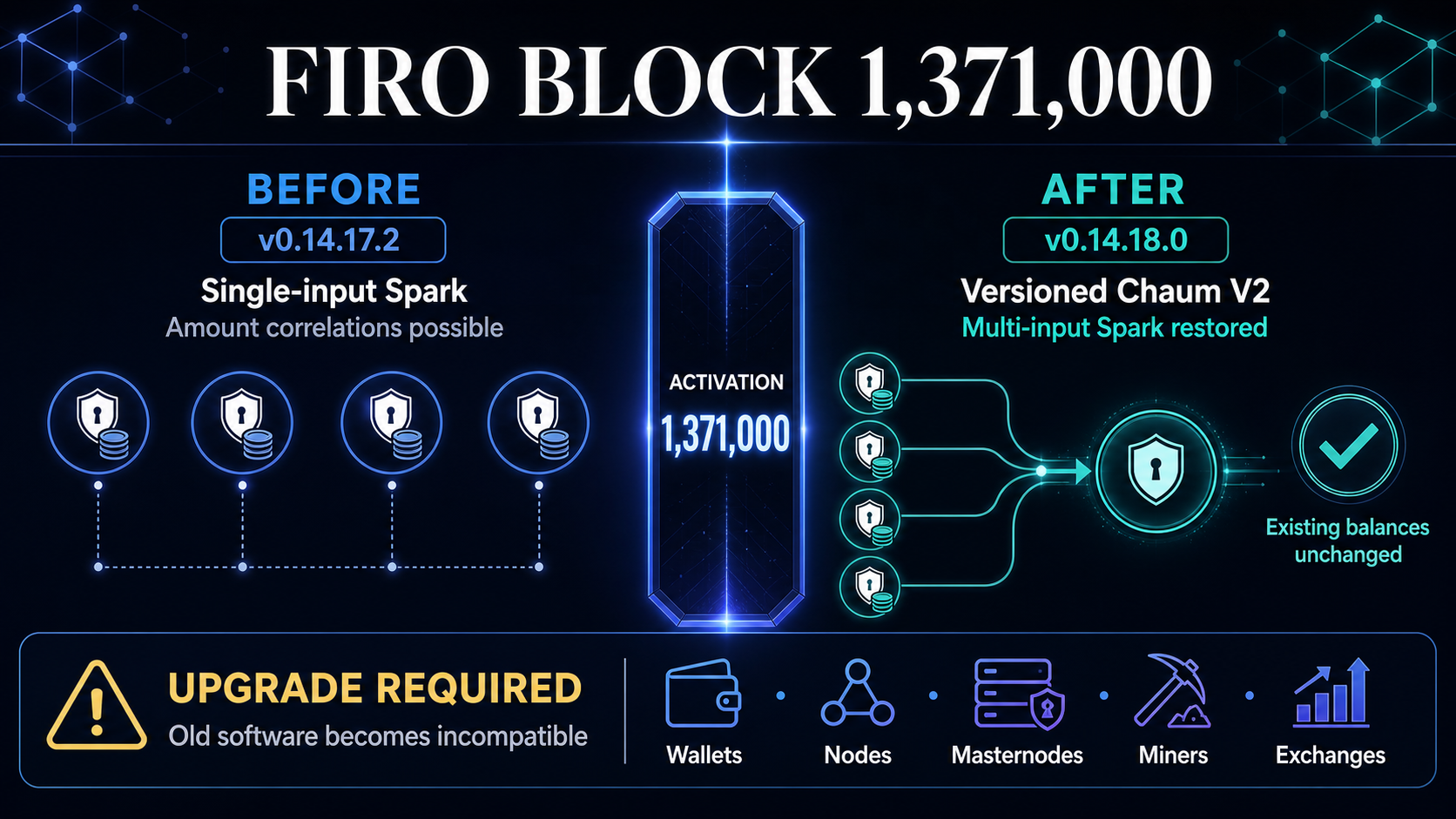
In practical terms, one private payment that would normally draw on several Spark coins could need to be broken into a pattern of separate amounts. Firo’s warning concerned correlations among those amounts; it did not say that the temporary rule exposed wallet keys or let others take funds.
Version 0.14.18.0 introduces a new versioned Chaum V2 proof and transaction format, according to the release notes. At block 1,371,000, updated wallets will automatically resume normal multi-input Spark spending, while the software will continue to validate historical Spark transactions.
Existing Spark coins, balances, addresses and wallet keys stay valid, so funds do not need to be migrated or reminted. The mandatory action applies to people and businesses running affected Firo software or infrastructure, not to a passive balance that remains untouched. The funds persist across the fork, but the software enforcing the network’s rules must change.
Firo said it plans to publish a full technical disclosure and post-mortem after the fork activates.
The post Privacy coin flaw risks endless token creation, leaving node operators with a deadline in hours to fix it appeared first on CryptoSlate.
Bitcoin’s next Federal Reserve test is split across two dates.
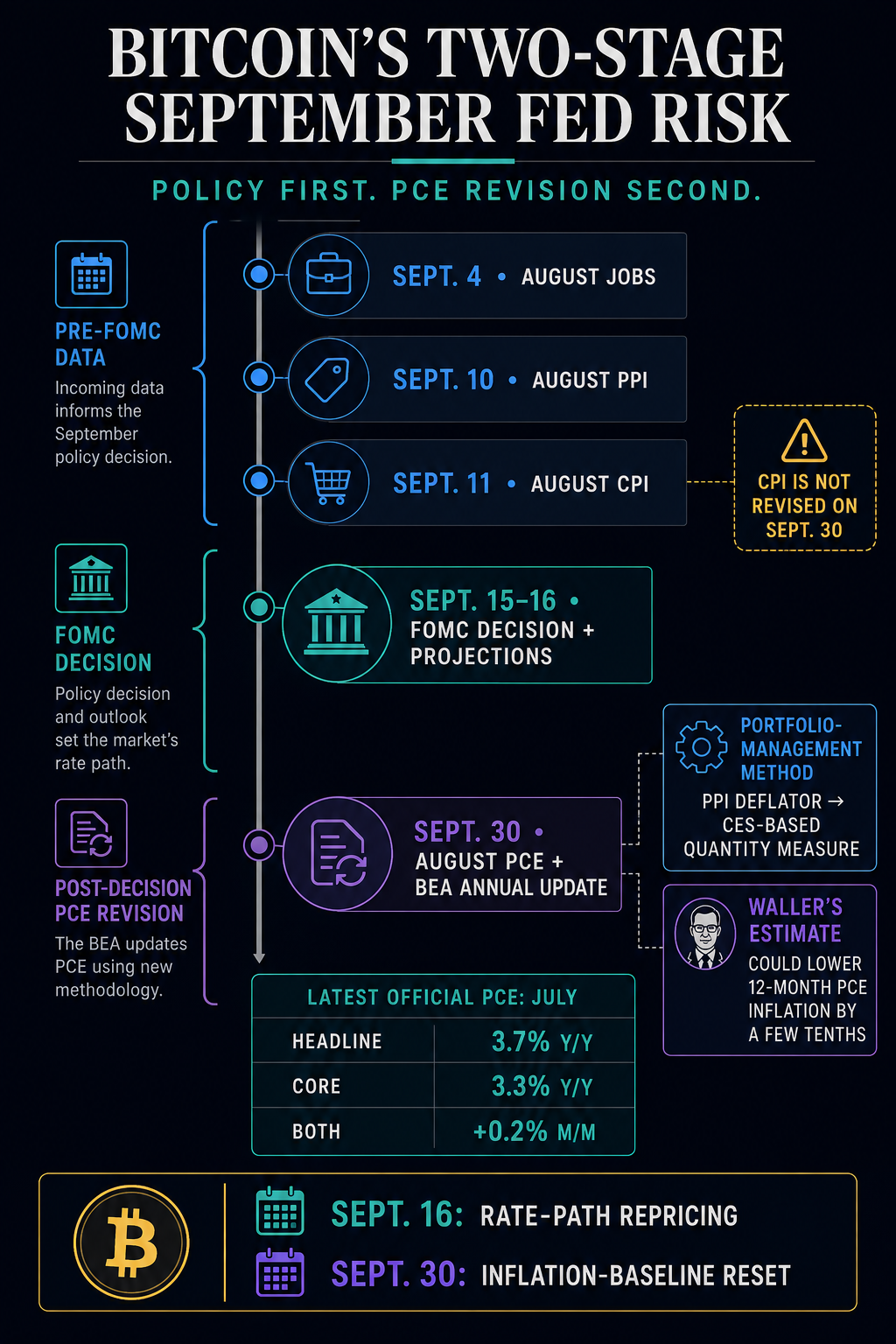
The Federal Open Market Committee will decide policy on Sept. 16 after seeing August payrolls, producer prices and consumer prices. Official August personal consumption expenditures inflation, along with a Bureau of Economic Analysis annual update that will revise the PCE series, is not scheduled until Sept. 30.
Governor Christopher Waller has already put a number on one part of that pending change. He said a new method for portfolio-management services could lower 12-month PCE inflation by a few tenths of a percentage point. That was Waller’s estimate for one component, not a confirmed estimate of BEA’s total revision.
For Bitcoin, the schedule creates a policy event first and a measurement reset two weeks later. Each can change rate expectations, but neither supplies a predetermined price signal.
What the Fed will know on Sept. 16
The Bureau of Labor Statistics schedule puts the August employment report on Sept. 4, producer price inflation on Sept. 10 and consumer price inflation on Sept. 11. The FOMC meets Sept. 15-16, with a new Summary of Economic Projections due alongside the decision.
The latest official PCE reading available before then covers July. BEA reported that headline and core PCE prices each rose 0.2% from June. Over 12 months, headline PCE inflation was 3.7% and core inflation was 3.3%.
August PCE arrives at 8:30 a.m. Eastern on Sept. 30, according to BEA’s release calendar. The agency says the release will also incorporate its annual update and supersede the currently published estimates.
| Date | What becomes known | Bitcoin relevance |
|---|---|---|
| Sept. 4-11 | August jobs, PPI and CPI | Markets can revise expectations for the FOMC decision before policymakers meet. |
| Sept. 15-16 | Policy decision and new Fed projections | The expected rate path and risk appetite can change before revised PCE data are public. |
| Sept. 30 | Official August PCE and revised PCE history | Markets can reassess the inflation baseline used to price later Fed meetings. |
The annual update includes a technical change with a potentially visible effect on the inflation rate. BEA’s methodology preview says portfolio management and investment advice will no longer be adjusted using the industry’s producer price index. Instead, BEA will estimate the quantity of services using employment data for that industry.
In plain language, BEA is changing how it separates changes in prices from changes in the amount of portfolio-management services consumers receive. A different split can move measured PCE inflation even though it does not represent a fresh change in September prices.
Waller said in his Sept. 3 speech that the correction for fees paid to stock-market traders and related professionals could lower 12-month PCE inflation by a few tenths. BEA’s annual-update notice lists other source-data and methodology changes, so the overall result does not have to equal Waller’s estimate for this one component.
The update will not rewrite CPI. CPI is a BLS index released Sept. 11, while PCE is a separate Commerce Department measure tied to the Fed’s 2% longer-run inflation objective. Some CPI and PPI data feed PCE calculations, but changing a PCE method does not change the already published CPI series.
Waller’s remarks show that policymakers can know about the timing gap in advance. His comments put the pending change into the public policy debate before Sept. 16.
They do not create a committee rule for handling it. Waller is one policymaker, and his estimate does not show that the full FOMC will subtract a few tenths from the published inflation rate before BEA releases the revised series.
His rate signal was also conditional. Continued progress in August inflation would make him willing to hold the federal funds rate at its current setting, he said. A hot reading could lead him to consider a hike. That is his reaction function, not a promise or a statement for the entire committee.
A known measurement issue therefore cannot automatically cancel a hot CPI report. The Fed expresses its inflation goal in PCE terms, while examining price components and making policy from forecasts. Policymakers can account for a suspected distortion without claiming to know the final Sept. 30 revision.
Bitcoin’s risks arrive in sequence
The first event is about policy and projections. August jobs, PPI and CPI will shape expectations going into the meeting, then the statement and new projections can reset the expected path of rates.
A hotter CPI print could raise the perceived chance of tighter policy and pressure risk appetite before the FOMC meets, even if traders expect the later PCE revision to trim measured inflation. A softer run of data could produce the opposite setup, but it would still leave the market waiting to see whether the committee shares Waller’s interpretation.
Bitcoin’s market response depends on that change in expectations, not on the calendar alone. The same hold decision could be read differently if the projections and policy language point toward more restraint, while even a more hawkish outcome could be partly anticipated before Sept. 16.
Recent CryptoSlate coverage has framed Bitcoin’s September setup around the jobs, CPI and FOMC sequence. Other analysis examined the intersection of labor data, oil and Bitcoin and noted that August PCE arrives after the meeting. Waller’s quantified methodology estimate adds a second layer: part of the inflation history used to assess the decision is about to change.
The Sept. 30 event is different. It cannot alter the policy action already taken, but it can change how investors judge the inflation trend before later FOMC meetings.
If the revised PCE path is lower, and other changes do not offset it, the market could conclude that inflation was less persistent than the pre-meeting data suggested. That could support expectations for less restrictive policy and improve the backdrop for risk assets. If other revisions offset the portfolio-services effect, or if the broad inflation trend remains elevated, the release could weaken that interpretation.
The key is not to treat Waller’s “few tenths” as a guaranteed dovish catalyst. It applies to a particular measurement change, while BEA’s annual update is broader and Waller’s own policy choice still depends on August inflation.
Bitcoin traders therefore face a sequence. Sept. 16 settles the immediate rate decision using the data and forecasts available to policymakers. Sept. 30 reveals how durable that decision’s inflation premise looks once BEA publishes the Fed’s preferred measure on a revised basis.
The post Bitcoin faces a two-week Fed trap as inflation rewrite threatens to upend rate cuts appeared first on CryptoSlate.
A Michigan judge has placed prediction-market exchange Kalshi under a preliminary injunction that keeps its sports event contracts fenced off from people in the state until the court issues a final order. The ruling moves the dispute beyond a short-term restraint and into an open-ended compliance regime.
Kalshi calls the products federally regulated event contracts, while Michigan treats the covered sports products as internet sports betting subject to state licensing. That classification fight explains why the order is more than routine sportsbook enforcement and why its reach is contested.
What the Kalshi Michigan injunction requires
The Sept. 1 order bars Kalshi and people acting with it from offering or facilitating covered internet sports-betting contracts for anyone located in Michigan. It also reaches deposits, advertising and solicitation, account access, and functionally similar sports-betting products in the state.
Kalshi must use a third-party geolocation provider licensed by the Michigan Gaming Control Board and capable of meeting the regulator’s geofencing specifications. If the court finds Kalshi failed to comply with that requirement, the order directs the company to pay $500,000 for each day of noncompliance.
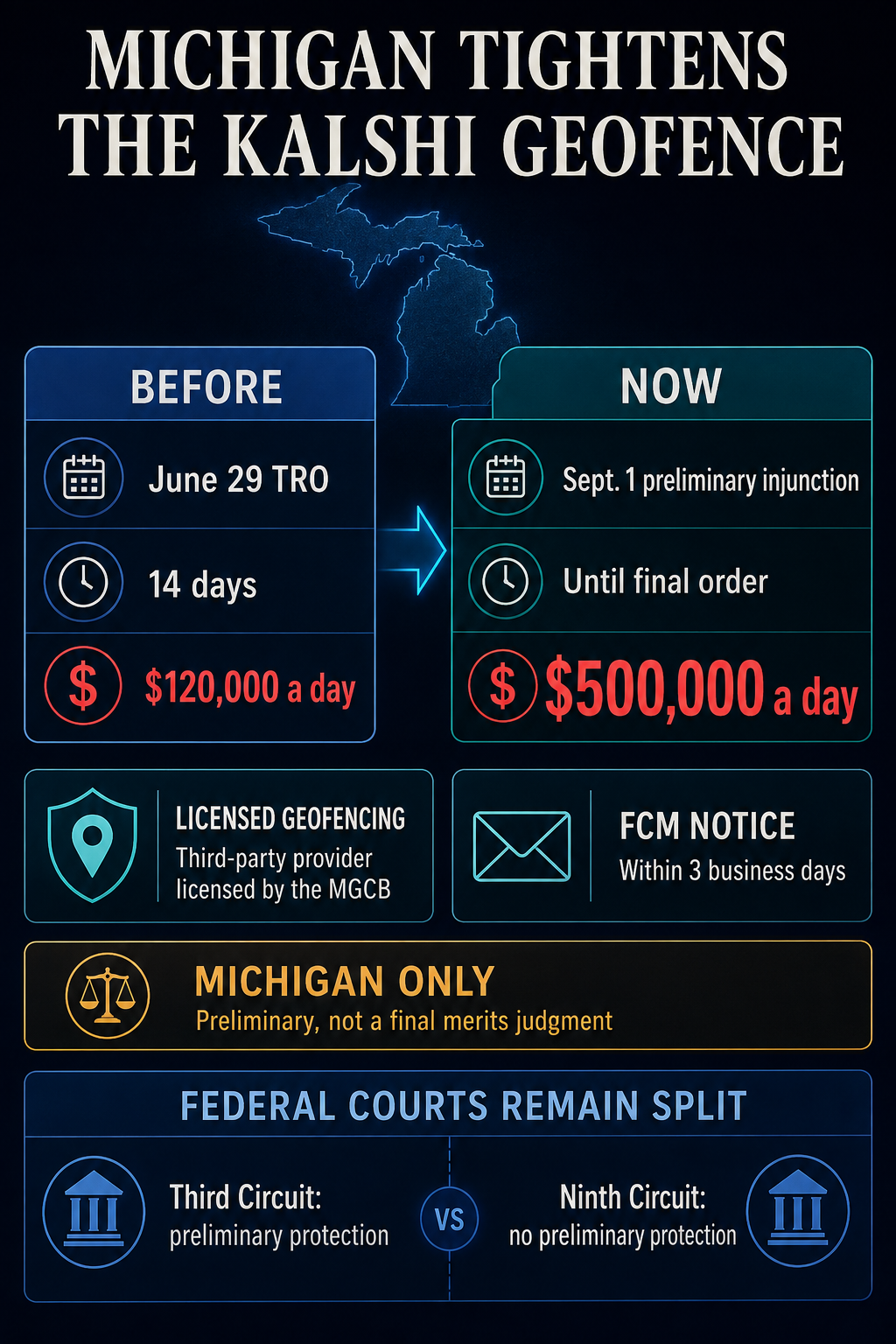
The injunction also reaches intermediaries that can give customers access to Kalshi’s exchange. Within three business days after the order was entered, Kalshi must send a copy and contact details for Michigan’s counsel to every futures commission merchant that makes its sports event contracts available to customers. The order does not hold Kalshi liable for an FCM’s later action or inaction after notice.
The new order is the next procedural stage after a temporary restraining order whose initial stated term was 14 days. The Michigan Gaming Control Board said that the June measure carried a $120,000 daily noncompliance penalty. The preliminary injunction raises the stated geolocation-specific penalty to $500,000 per day and remains effective until a final order in the case.
That duration does not make the ruling a final judgment. The judge found at this stage that Michigan and its residents would face immediate and irreparable harm without relief, based on harms the state alleged were tied to unlicensed sports products. Whether Michigan ultimately proves its allegations remains unresolved. WILX reported on Sept. 2 that Kalshi had not released a statement about that week’s ruling.
A national split, not a national ban
Michigan’s order applies only inside the state. It gives Michigan enforcement control for now without settling Kalshi’s key federal defense: that the Commodity Exchange Act leaves regulation of its federally registered market to the Commodity Futures Trading Commission.
In April, the Third Circuit found Kalshi had a reasonable chance of showing that federal law preempts New Jersey’s enforcement effort and preserved preliminary protection for the exchange. On Aug. 28, the Ninth Circuit reached the other side of the dispute in Nevada, holding that Kalshi had not shown preemption for its sports event contracts.
The CFTC has argued that it has exclusive jurisdiction over prediction markets offered on designated contract markets. Michigan’s injunction does not resolve that national conflict. It instead adds another state-specific restriction while the appellate split leaves operators, regulators and intermediaries facing different rules across jurisdictions.
The post Kalshi faces $500,000 daily fines as Michigan forces sports event contracts offline appeared first on CryptoSlate.
HTTP error 429 on https://cryptoticker.io/en/feed/
Failed to fetch feed: https://cryptoticker.io/en/feed/
Failed to fetch feed.
Decrypt
Nearly 30 banks backed the rare unsecured facility as TikTok’s parent company spends heavily on AI chips, models, and overseas data centers.
The group is urging organizations to adopt post-quantum security before powerful computers can compromise today’s encryption and digital signatures.
The prediction market platform's new Perps product scaled from 10 markets to 67 on its first day—though the 20x leverage ceiling only applies to some of them, and none of it reaches U.S. traders.
A meme coin called BONER cornered half of Hims & Hers Health's tokenized shares on Robinhood's new blockchain. It started a new trend that's spreading fast.
Lawyers question AMC’s grounds for a securities-law challenge, but say the tokens’ branding and marketing could leave room for a dispute.
U.Today - IT, AI and Fintech Daily News for You Today
Raghuram Rajan, the former governor of the Reserve Bank of India, will join Ripple’s Swell 2026 conference.
Robinhood's Vlad Tenev backs the $104 million "stock token" market, defying AMC's legal threats over on-chain trading.
Ripple has landed a multi-year partnership with the University of Florida’s athletic department.
Binance has listed twelve cryptocurrencies that it will remove from its crypto trading platform, specifically on Binance Alpha, later today.
Nasdaq micro-cap AIXC dumps its crypto treasury for a robotics pivot, locking in a bruising 50% loss.
Blockonomi
TLDR
- Hawthorn completes FSC merger and expands its banking network to 27 locations
- HWBK stock rises as Hawthorn closes FSC deal and grows regional bank footprint
- Hawthorn Bank reaches 27 locations after completing FSC Bancshares acquisition
- FSC merger lifts Hawthorn’s scale with $2.2 billion in combined total assets
- Hawthorn targets first quarter 2027 for Farmers State Bank customer conversion
Hawthorn Bancshares completed its FSC Bancshares merger, expanding Hawthorn Bank to 27 locations across Missouri and Kansas. HWBK stock rose 0.66% to $39.84 after recovering from an early decline. The transaction broadens Hawthorn’s regional reach and adds Farmers State Bank customers to its platform.
Hawthorn Bancshares, Inc., HWBK
Hawthorn Completes FSC Bancshares Merger
Hawthorn completed the FSC Bancshares merger on September 3, with Hawthorn remaining the surviving holding company. Farmers State Bank also merged into Hawthorn Bank under the completed transaction. Hawthorn Bank now controls the combined banking operations and larger customer base.
The deal expands Hawthorn across northern, central, western, and mid-Missouri, while retaining one location in Kansas. Hawthorn Bank now operates 27 banking offices after adding the Farmers State Bank network. The larger footprint gives Hawthorn broader access to households and businesses across regional markets.
The transaction increases the combined company’s total assets to approximately $2.2 billion. That larger base gives Hawthorn more scale across lending, deposits, and financial services. The company also adds new communities while maintaining its relationship-based regional banking model.
Integration Targets First Quarter of 2027
Hawthorn Bank has started preparing Farmers State Bank for integration into its existing platform. The company expects the main customer conversion during the first quarter of 2027. Until then, Farmers State Bank customers can continue using current banking centers and digital services.
Customers will retain access to the existing Farmers State Bank website and mobile application during the transition. Hawthorn plans to provide detailed information before transferring customers onto its systems. The staged process supports continuity while Hawthorn combines operations, technology, and customer services.
The merger also allows Hawthorn to offer broader financial products across the acquired customer base. Farmers State Bank customers will gain access to Hawthorn’s larger resources after conversion. Meanwhile, branch teams will continue serving local communities throughout the integration period.
Hawthorn Expands Regional Banking Footprint
Hawthorn Bank operates from Jefferson City, Missouri, and has built a strong regional presence. The FSC acquisition extends that network and increases Hawthorn’s reach across several Missouri communities. The expanded branch base strengthens its position across local commercial and consumer banking markets.
Several advisers supported both companies through the merger and closing process. Raymond James advised Hawthorn financially, while Hunton Andrews Kurth provided legal counsel. Northland Capital Markets advised FSC, while Stinson handled legal work and Olsen Palmer issued a fairness opinion.
The completed merger gives Hawthorn greater scale without changing its regional banking focus. Hawthorn now enters integration with 27 locations and approximately $2.2 billion in assets. The company will focus on completing customer conversion and unifying the acquired banking operations.
The post Hawthorn Bancshares (HWBK) Stock : Rises as FSC Bancshares Merger Expands Bank Footprint to 27 Locations appeared first on Blockonomi.
TLDR
- HPQ rises 1.61% as HP expands its premium lineup with new OmniBook laptops.
- HP unveils OmniBook Ultra 16 and X 14 for creators, developers, and gamers.
- OmniBook Ultra 16 offers up to 128GB memory and strong local AI performance.
- OmniBook X 14 adds portable performance with OLED display and fast charging.
- HP also previews OmniDesk as it expands high-performance computing beyond laptops.
HP Inc. (HPQ) shares advanced Friday after the company expanded its computer lineup with AI-focused OmniBook models. HPQ rose 1.61% to $32.44 after recovering from morning losses and holding most afternoon gains. The launch expands HP’s high-performance computer push for creators, developers, gamers, and advanced users.
HP Inc., HPQ
HP Expands Premium AI PC Lineup
HP introduced the OmniBook Ultra 16 and OmniBook X 14 with NVIDIA RTX Spark and Windows. Both laptops support AI tools, creative applications, personal assistants, and demanding workloads. HP first previewed the platform at Computex in June before providing fuller details.
The OmniBook Ultra 16 targets developers, creators, gamers, and entrepreneurs handling projects. Configurations offer up to 128GB of unified memory and one petaflop of FP4 performance. HP also added a tower hinge, larger heat pipes, and dual fans for sustained workloads.
The laptop includes a 16-inch 3K OLED display and speakers with smart amplifiers. Its 99Wh battery delivers up to 17 hours under HP’s stated conditions. Fast charging can restore about 50% capacity in roughly 30 minutes with supported equipment.
OmniBook X 14 Focuses on Mobility
The OmniBook X 14 brings computing features into a smaller portable design. HP targets users combining work, content creation, entertainment, and mobile computing. The system combines local AI functions, RTX graphics, and creator tools in a thin body.
For cooling, HP uses thermal architecture, heat pipes, and optimized airflow inside the chassis. The laptop includes an OLED display designed for strong contrast and detailed visuals. HP aims to preserve portability while supporting demanding computing tasks.
The OmniBook X 14 offers up to 15 hours of battery life under stated conditions. A 140W USB-C GaN adapter supports fast charging away from fixed locations. Compatible charging can restore about 50% capacity in approximately 30 minutes.
OmniDesk Extends HP’s Desktop Push
HP also outlined its upcoming OmniDesk, extending the same computing strategy beyond portable devices. The compact desktop targets users running long tasks, local applications, and workloads. HP designed the system to keep active processes running when users step away.
HP has not released full OmniDesk specifications, pricing, or final availability details. The company plans to provide more information closer to the desktop’s commercial release. This leaves room for HP to finalize hardware features and positioning.
HP expects the OmniBook Ultra 16 to reach HP.com and Best Buy during the fall. The OmniBook X 14 should also launch this fall through HP.com and other retailers. HP has not announced pricing for either laptop or the OmniDesk.
The post HP Inc. (HPQ) Stock: Rises as OmniBook Ultra 16 and OmniBook X 14 Expand AI PC Lineup appeared first on Blockonomi.
TLDR
- Microsoft stock falls to $500 as strong cloud growth supports its results
- Azure revenue jumps 43% as Microsoft expands its cloud and AI infrastructure
- Nadella sells $43 million in Microsoft shares under a pre-arranged trading plan
- Microsoft reports $90 billion in quarterly revenue, up 18% from last year
- Microsoft adds 31 data centers as cloud growth rises and margins face pressure
Microsoft (MSFT) shares opened at $500.04, down 1.98%, as the stock fell below key technical support levels. The decline pushed shares below $507.50 and $505.00, while $500.00 became the latest level under pressure. However, Microsoft’s latest quarterly results showed strong cloud growth and higher earnings despite heavy infrastructure spending.
Microsoft Corporation, MSFT
Stock Decline and Nadella Sale
Chief Executive Officer Satya Nadella sold about $43 million of Microsoft shares on September 1, according to an SEC filing. He sold 86,525 shares through several transactions, with weighted average prices ranging from $498.24 to $505.20. After completing the sales, Nadella directly owned about 486,763 Microsoft shares.
Microsoft disclosed that Nadella adopted the trading plan on March 8, 2026, during a regular open trading window. The plan required selling 80% of net shares received from an August 31 performance-stock award. Additionally, the plan prohibited transactions before August 31, linking the sale to that arrangement.
The transaction came from a pre-arranged Rule 10b5-1 plan rather than a newly announced insider stock sale. Microsoft said the plan covered shares connected to Nadella’s performance-stock award. Consequently, the filing does not show a new change in Microsoft’s operating plans.
Cloud Growth Remains Strong
Microsoft reported fiscal fourth-quarter revenue reached $90 billion, representing an 18% increase from the prior year. Net income reached $35.8 billion, rising 31%, while Azure and other cloud services revenue increased 43%. Microsoft Cloud revenue grew 27% to $59.3 billion during the reported quarter.
Commercial remaining performance obligations increased 84% to $678 billion, according to Microsoft’s quarterly results. The figure represents contracted business that Microsoft expects to recognize as revenue over future reporting periods. Meanwhile, Azure growth supported the broader cloud business as demand for computing and artificial intelligence services increased.
Microsoft added 31 new data centers during the quarter as it expanded its infrastructure for cloud and artificial intelligence workloads. The expansion also increased spending, while Microsoft Cloud gross margin stood at 65% in the fourth quarter. These figures show infrastructure growth alongside pressure on Microsoft Cloud margins during the quarter.
Market Levels and Business Context
The stock’s decline leaves $500.00 as an immediate level, while $502.50 marks a nearby recovery level. A move below $500.00 would place $497.50 in focus, while a return above $502.50 would improve short-term price stability. However, the chart still shows selling pressure after the stock fell from levels above $507.50.
Microsoft’s latest operating figures present a different picture from the stock’s short-term movement. Revenue, earnings, Azure growth, and commercial commitments all increased during the quarter. At the same time, Microsoft continued expanding data center capacity for cloud and artificial intelligence operations.
Microsoft’s current market picture combines short-term share price pressure with strong reported business growth. Nadella’s share sale followed a trading plan established months before the transaction occurred. Meanwhile, cloud expansion, higher earnings, rising commitments, and infrastructure investment remain central to Microsoft’s latest quarterly results.
The post Microsoft (MSFT) Stock: Faces Pressure Despite Strong Cloud and AI Growth appeared first on Blockonomi.
TLDR
- Polyrizon closes a $4 million financing with a single institutional buyer
- PLRZ falls 3.34% to $12.00 after the company completes the September financing
- Registered direct offering includes 232,500 ordinary shares and 30,000 warrants
- Private placement adds 70,833 pre-funded warrants and 333,333 common warrants
- Polyrizon plans to use the net proceeds for working capital and corporate needs
Polyrizon Ltd. (PLRZ) shares traded at $12.00, down 3.34%, after the company completed a $4 million financing. The biotech company closed a registered direct offering and concurrent private placement with one institutional buyer on September 4. The transaction adds working capital, while newly issued shares and potential warrant exercises expand the company’s outstanding equity base.
Polyrizon Ltd., PLRZ
Polyrizon Completes $4 Million Financing
Polyrizon sold 333,333 units and pre-funded units at a combined price of $12.00 for each unit in the financing. Each unit included one ordinary share, or one pre-funded warrant, together with one common warrant for another ordinary share. The company structured the transaction through a registered direct sale and a simultaneous private placement with the same buyer.
Under the registered direct portion, Polyrizon issued 232,500 ordinary shares and 30,000 pre-funded warrants to the institutional buyer. The company priced each ordinary share at $12.00 and each pre-funded warrant at $11.99999 under the transaction terms. Those pre-funded warrants carry a nominal $0.00001 exercise price and remain immediately exercisable until holders exercise them completely.
The private placement added 70,833 PIPE pre-funded warrants and 333,333 PIPE common warrants to the overall financing package. The common warrants carry a $12.00 exercise price, matching the combined unit price used across the September financing transaction. Meanwhile, the PIPE pre-funded warrants require registration before exercise because the company issued them through the unregistered placement.
New Shares and Warrants Expand Dilution Exposure
The financing increased Polyrizon’s share count because the company issued 232,500 ordinary shares through the registered offering. Additional shares can enter circulation when holders exercise pre-funded warrants, subject to the applicable registration terms for PIPE securities. Common warrant exercises could create further dilution because each warrant allows its holder to purchase one additional ordinary share.
Pre-funded warrants function differently from standard warrants because buyers pay nearly the full share purchase price when acquiring the instrument. Therefore, holders only need to pay the nominal exercise amount before receiving the related ordinary shares after satisfying applicable conditions. This structure can make conversion more likely because the remaining exercise cost stands far below the ordinary share purchase price.
Existing shareholders may consequently own a smaller percentage of Polyrizon after the company issues shares tied to these financing instruments. However, the transaction also provides fresh capital that Polyrizon can deploy across operations and other general corporate requirements. The balance between added liquidity and expanded share supply now forms the main financial context surrounding the completed transaction.
Polyrizon Plans Capital for Working Needs
Polyrizon expects to combine the financing proceeds with existing cash for general corporate purposes and working capital requirements. The company reported approximately $4 million in gross proceeds before placement fees, legal expenses, and other transaction-related costs. Consequently, the amount available for operations will remain below the stated gross proceeds after Polyrizon pays those financing expenses.
Aegis Capital acted as the exclusive placement agent, while legal advisers supported Polyrizon and the placement agent during closing. The registered direct offering relied on Polyrizon’s effective Form F-3 shelf registration statement declared effective in December 2025. The company also agreed to file registration statements covering resale of shares linked to securities issued through the private placement.
Polyrizon remains a development-stage biotechnology company focused on intranasal hydrogel products delivered through nasal spray applications and related platforms. Its Capture and Contain technology aims to form a thin nasal barrier that limits contact with viruses and allergens. The company also develops Trap and Target technology for intranasal delivery of active pharmaceutical ingredients during earlier preclinical development stages.
The post Polyrizon Ltd. (PLRZ) Stock: Company Closes $4 Million Deal With Institutional Investor appeared first on Blockonomi.
TLDR
- Campbell’s CEO and CFO will join Barclays’ consumer staples chat on September 9
- CPB trades near $21.40 as management prepares for the Barclays conference next week
- Campbell’s fiscal 2026 sales reached $9.7 billion as annual sales declined 5%
- Management targets $500 million in cost savings by fiscal 2030 after weak results
- Barclays event follows Campbell’s fiscal 2026 earnings update by under one week
The Campbell’s Company shares traded at $21.40, down $0.73, after the food maker announced another senior management appearance Friday. Chief Executive Mick Beekhuizen and Chief Financial Officer Todd Cunfer will speak at a Barclays consumer staples conference next week. The event follows Campbell’s latest annual results and gives management another scheduled forum to discuss the company’s operating priorities.
Campbell Soup Company, CPB
Barclays Event Puts Campbell’s Leadership in Focus
Campbell’s said Beekhuizen and Cunfer will join a fireside chat on Wednesday, September 9, at 2:15 p.m. ET. Barclays will host the discussion during its 19th Annual Global Consumer Staples Conference, which features major consumer companies. The appearance places Campbell’s senior leadership before an audience focused on packaged food, consumer demand, pricing, margins, and corporate strategy.
The company will provide a listen-only live webcast through the Events and Presentations section of its investor relations website. Campbell’s also plans to make a replay available through the same online location after the event concludes for later access. Therefore, shareholders and analysts can access management’s discussion even if they cannot follow the scheduled live session that afternoon.
Beekhuizen leads Campbell’s as president and chief executive officer, while Cunfer serves as executive vice president and chief financial officer. Both executives also led the company’s September 3 question-and-answer session covering fourth-quarter and full-year fiscal 2026 results. Their Barclays appearance follows that earnings update by less than one week and keeps management’s recent messaging in focus.
Fiscal 2026 Results Set the Backdrop
Campbell’s reported fiscal 2026 net sales of $9.7 billion, down 5% from the previous fiscal year through August 2. Organic net sales declined 2%, while adjusted earnings per share fell 27% to $2.17 for the full year. Operating cash flow reached $1.0 billion, providing another important measure of financial performance as management advances through fiscal 2027.
The Meals and Beverages division produced $5.93 billion in annual sales, while Snacks generated $3.82 billion. Reported sales declined 4% in Meals and Beverages and 6% in Snacks during fiscal 2026 year over year. Segment operating earnings also declined as inflation, supply-chain costs, tariffs, and softer demand pressured results across the company’s portfolio.
Campbell’s also outlined new actions designed to improve profitability, reduce expenses, and strengthen its balance sheet this week. The company now targets $500 million in cost savings by fiscal 2030 and has reset its quarterly dividend. Management has increased its focus on pricing, productivity, brand spending, debt reduction, and operational discipline entering the new fiscal year.
Campbell’s Keeps Focus on Core Food Brands
Campbell’s operates two main divisions and maintains a portfolio built around established North American food brands. Meals and Beverages includes Campbell’s, Prego, Pace, Rao’s, Swanson, V8, Pacific Foods, and several other products. Snacks includes Goldfish, Pepperidge Farm, Cape Cod, Kettle Brand, Lance, Late July, Snack Factory, and Snyder’s of Hanover.
The Camden, New Jersey-based company traces its history to 1869 and has operated for more than 155 years. Its business remains centered on packaged meals, sauces, beverages, snacks, and other grocery products sold across North America. That broad portfolio gives management several operating areas to address during major consumer industry conferences and financial presentations.
The Barclays appearance does not include a newly announced earnings report, acquisition, divestiture, or other strategic transaction. Instead, it provides another public forum shortly after Campbell’s issued fiscal 2027 guidance and detailed its expanded cost program. The discussion may therefore cover execution, consumer demand, margins, pricing, brand performance, savings targets, and balance-sheet priorities.
The post The Campbell’s Company (CPB) Stock: Top Executives to Join Barclays Fireside Chat appeared first on Blockonomi.
CryptoPotato
South Korea’s Financial Services Commission unveiled a phased roadmap on September 4 for converting stocks, bonds and investment funds into blockchain-based tokens, with the earliest phase due to start in February 2027 once an amendment to the Electronic Registration Act takes effect.
The plan links the country’s securities market to a stablecoin payment system that regulators want built by the time the rollout reaches its final stage.
Seoul Lays Out a Three-Step Timeline
The FSC’s roadmap, presented during the third private-public consultative meeting on securities tokenization, breaks the transition into three stages.
Phase one starts in February 2027 and covers privately pooled money market funds and bonds reserved for institutional investors, unlisted stocks held through trust structures, and publicly offered fractional investment securities.
Phase two widens the pool to every type of publicly offered security. But the third phase is the more ambitious one: an on-chain payments system tied to stablecoins, though the FSC says the pace of phases two and three depends on how the first rollout goes, how fast the market adapts, and where pending stablecoin legislation ends up.
The commission also published model standards for fractional investment, capping individual subscriptions at whichever is smaller between 30 million won ($22,200) and 5% of an issuance, and requiring issuers to reserve a minimum retail allocation.
Trading tokenized securities over the counter won’t need a separate license, though firms must consult the Financial Supervisory Service first, and retail investors face an annual cap of 100 million won ($74,000) in net purchases per exchange.
Entities that manage tokenized securities accounts will need at least 4 billion won, which is about $2.9 million, in equity and dedicated staff for account management, internal control, and IT security, while the Korea Securities Depository is finalizing the technical checks that securities firms must pass before connecting to the shared ledger.
Revised rules under the FSCMA and the Electronic Registration Act are due by the end of September.
The Risk Other Regulators Have Already Flagged
As CryptoPotato reported previously, the IMF warned in an April note that tokenization strips out the settlement delays banks rely on to manage liquidity, delays that also give regulators time to step in before a crisis hardens.
The fund pointed to liquidity pressure, thin oversight of smart contracts, and the difficulty of policing assets that cross borders as the main risks, arguing that public infrastructure such as central bank digital currency (CBDC) is what keeps tokenized markets from making instability worse.
South Korea has also moved quickly against platforms it views as skirting its rules, with authorities blocking domestic access to Polymarket in August over concerns that the platform amounts to unlicensed gambling, joining a growing list of countries that have restricted it since last year.
The post South Korea Plans Stablecoin-Based Tokenization by 2027 appeared first on CryptoPotato.
The world’s largest cryptocurrency exchange advised its clients to be extremely cautious amid a rise in phishing attacks targeting crypto investors.
Here are the necessary steps that could lead to better protection against such wrongdoers.
Don’t Act Before You Think
Binance explained that attackers send fake “security alert” text messages to trick users into clicking malicious links, potentially resulting in devastating losses.
The team revealed that such scams are often disguised as a notification that seems official, such as “Your account settings were changed: or “Suspicious login detected.” Additionally, they can contain a shortened link asking users to “verify immediately” and create urgency for victims to act before they think.
“Remember: Binance will never ask you to tap a link in a text message to “verify” or “secure” your account,” the company clarified.
It also outlined three vital steps that can enhance protection. First, people should never click on unfamiliar links; instead, they should check their legitimacy using Binance Verify.
Next, users must turn on Withdrawal Address Whitelist in their security settings. “Once enabled, funds can only go to addresses you’ve pre-approved,” the message reads.
Third, people should enable Anti-Phishing Code and remember that genuine Binance emails will always include users’ unique codes. If the message doesn’t have it, then it’s not from the exchange.
Last but not least, Binance advised those receiving suspicious texts or who have already tapped a link to contact the official customer support immediately through the application.
Recent Binance Updates
The company has been quite active lately, delisting certain cryptocurrencies that no longer meet the required criteria and adding others to align with the latest market trends.
Last month, it announced that it will terminate all services with ICON (ICX), Secret (SCRT), and Storj (STORJ). The delisting took place yesterday (September 3), yet the prices of the affected tokens plunged sharply immediately after the disclosure.
Such reactions are normal, since Binance remains the largest crypto exchange, and withdrawing support results in reduced liquidity, diminished availability, and reputational damage. Declines of that magnitude were also observed in June for Alchemix (ALCX), Ardor (ARDR), NFPrompt Token (NFP), and Marlin (POND) after the company said goodbye.
Earlier this week, the exchange added PONS to its Binance Alpha section (an early-stage discovery hub featuring emerging cryptocurrencies before they potentially receive official support). The trending altcoin headed north after the news and continued its impressive performance. It has skyrocketed by roughly 1,500% over the past two weeks, while its market capitalization has neared $500 million.
The post Binance Issues a Critical Scam Warning: Details Inside appeared first on CryptoPotato.
US spot Bitcoin ETFs ended August on an impressive note and appear to have continued to build momentum, recording $731 million in net inflows on September 3rd, their strongest single-day performance since January.
Now, a pattern has sparked speculation over whether Bitcoin could see another short-term top following the latest surge in ETF demand.
ETF Buying Explodes
Analyst Ted Pillows said that on the previous two occasions when Bitcoin ETFs recorded daily inflows above $700 million, first in October 2025 and then in January 2026, BTC went on to form a local peak shortly afterward.
Despite a minor hiccup on September 1st, which saw outflows of over $236 million, US-based spot Bitcoin ETFs have bounced back strongly. Total net assets reached $103.34 billion, representing just over 6% of Bitcoin’s market capitalization. Cumulative net inflows since the ETFs launched in January 2024 stood at $55.44 billion.
Data shared by SoSoValue revealed that BlackRock’s IBIT led the gains with around $454 million. Next up was Ark and 21Shares’ ARKB at $137.7 million, followed by Fidelity’s FBTC at $74.4 million. Grayscale’s two products attracted a total of $57 million in capital.
On the other hand, VanEck’s HODL and WisdomTree’s BTCW were the only funds to have posted outflows of $20 million and $5 million, respectively.
Over the past month, Bitcoin saw around 105,000 BTC equivalent in net capital inflows, and the US spot Bitcoin ETFs accounted for approximately 42,800 of that total. According to Axel Adler Jr., the fund inflows accounted for about 41% of the overall capital entering the market during the period.
Bear Market Debate Continues
Alongside these inflows, Bitcoin surged by over 4% to trade near $81,130. Open interest on Binance and Bybit reached levels not seen since May 5, which suggested that derivatives activity is rebuilding alongside the latest price advance. These developments have prompted some experts to believe that the crypto bear market may be coming to an end.
However, Fidelity believes that the recent recovery does not yet prove the bear market is over. The firm noted that BTC’s historical four-year cycle could leave room for another market low around November 2026, although the pattern is not guaranteed.
The latest technical setup, however, looks more bullish. Bitcoin moved back above the weekly EMA ribbon after recently falling below it, a level that previously signaled the start of a sell-off. Dami-Defi explained that the EMA ribbon currently sits between about $71,000 and $78,000. The reclaim is seen as a positive shift, but the crypto asset still needs to hold above the ribbon on weekly closes. If it does, the next major resistance level to watch is around $95,000-$96,000. A drop below the ribbon, however, could invalidate the recovery.
The post Bitcoin ETF Inflows Exceed $700M as Historical Pattern Points to BTC Local Top appeared first on CryptoPotato.
The OG meme coin has jumped by 5% over the past 24 hours following the renewed green wave sweeping through the broader cryptocurrency market.
According to Ali Martinez, several key factors suggest a much more substantial rally may unfold in the near future.
Ready to Breakout?
As of press time, DOGE is worth approximately $0.087 (per CoinGecko), representing a 24% increase over the past month. Martinez revealed that the asset’s Tom DeMark Sequential has flashed a buy signal on the daily timeframe, suggesting that the meme coin could be preparing to resume its uptrend.
His second optimistic element is the formation of a so-called “morning doji star” on the 24-hour chart. The analyst claimed that this reversal pattern usually occurs near the end of a downtrend, signaling that selling momentum may be fading as buyers step in.
Next on Martinez’s list is whale activity. He disclosed that large holders have scooped up more than 400 million DOGE over the last five days, “adding meaningful buying pressure at current levels.”
The analyst opined that the accumulation has reinforced a major on-chain support near $0.0813, where almost 35 million units were previously traded.
“As long as this level holds, the bullish setup remains intact, with $0.1552 and $0.1774 as the next upside targets,” he concluded.
Interestingly, earlier this week, Martinez suggested that the $15 Dogecoin target he has been tracking for a long time was invalidated after the price briefly plunged below the lower boundary of the channel that had defined the thesis for such a potential explosion.
Additional Forecasts
Other X users who recently made DOGE predictions include Crypto With Gopal and Celal Kucuker. The former claimed the meme coin has formed a massive falling wedge, with the price compressing near the $0.08 support zone and sellers gradually losing momentum.
He claimed that a breakout above the upper trendline (which sits at over $0.10) could trigger a major reversal toward the $0.40 target. “Bulls are waiting for confirmation – long-term sentiment is turning bullish,” the analyst added.
For their part, Celal Kucuker envisioned a 10x expansion in DOGE’s market cap, which could push the price to a new historic record beyond the $1 milestone.
The asset’s recent exchange netflow supports the bullish perspective. Over the past several days, outflows have outpaced inflows, indicating that investors have shifted from centralized platforms to self-custody, which in turn has reduced immediate selling pressure.

The post 3 Reasons Why Dogecoin (DOGE) Is Ready for a Breakout appeared first on CryptoPotato.
It was another eventful week in the cryptocurrency markets as August closed, with BTC ending in the green for the first time during a bear market, further signaling a major shift in sentiment. However, Friday’s jobs report flipped the script again.
Before we dive into all of that, let’s rewind the clock by a week and see what the landscape was last Friday. Despite briefly surging past $81,000 on a couple of occasions, BTC was quickly halted and driven south to just under $80,000. Most altcoins, though, produced major weekly gains.
The rejection at the time came after the hawkish stance taken by Fed Chair Kevin Warsh, and the leg down drove BTC to just under $77,000 on Saturday morning. However, the asset rebounded swiftly and tapped $79,000 on Sunday. Another leg down to $77,000 took place on Monday morning as the US and Iran initiated new attacks against each other.
The primary cryptocurrency remained volatile in the following few days, but was contained in a relatively tight range between $76,400 and $79,000. It last tested the upper boundary on Wednesday morning, and the bulls managed to defend it. The subsequent leg up came on Thursday and was significantly more successful.
Bitcoin broke out of its $79,000 barrier and surged past $80,000. It kept going during the early hours on Friday and jumped to $82,400 for the first time since mid-May. Although it was stopped there, it remained above $81,000 until earlier today, when the much stronger-than-expected US jobs report came out.
BTC slumped immediately by two grand as the general assumption is that the Fed will be more inclined to raise the hikes at the end of the month. The weekly performance shows a few clear winners – ZEC has gained 20%, and it even surpassed $1,000 earlier today, XMR is up by 10%, while UNI has rocketed by almost 40%.
Market Data

Market Cap: $2.775T | 24H Vol: $121B | BTC Dominance: 57.6%
BTC: $79,270 (-0.35%) | ETH: $2,450 (-2.5%) | XRP: $1.39 (-1.5%)
This Week’s Crypto Headlines You Can’t Miss
Strategy Is Buying Bitcoin Again After 2-Month Pause: Here’s How Much. Monday began with a bang as the world’s largest corporate holder of BTC resumed its purchases for the first time in over two months, accumulating 4,603 BTC for $370 million. The problem for the company is that it sold at low prices only to buy back at much higher levels.
Gold Just Erased All Its August Gains – Bitcoin Is Holding Up Better at $77K. The precious metal exploded alongside BTC in the middle of August, hitting $4,700 for the first time in months. However, it lost all gains, even dipping below its starting price of $4,360 earlier this week. In contrast, BTC is up by roughly 25% even after today’s correction.
Arthur Hayes Says Ignore Warsh and Watch EUR/JPY for Bitcoin’s Next Move. BitMEX’s former CEO believes the Fed and Kevin Warsh are not the most important factors to determine BTC’s next move. Instead, he urged investors to pay more attention to the euro-yen exchange rate.
Trezor Breach Is Much Bigger Than Initially Thought: Another 67,000 Customers Exposed. The hardware wallet manufacturer admitted today that the ShipMonk breach was significantly more worrisome than initially believed. Its latest update showed that the actual number of affected US customers from the data leaks is over 80,000, not 13,689.
Bitcoin Makes History With First-Ever Green August During a Bear Market. As mentioned above, bitcoin ended August in a highly unexpected manner. History suggested that the asset wouldn’t enjoy the eighth month of the year, but reality was much different. BTC closed with a near-25% surge for the first time in bear market years.
Bitcoin Is Back Above $80,000, But Fidelity Says the Bear Market May Not Be Over Yet. The flagship digital asset surged past $80,000, as explained earlier, but analysts at Fidelity weren’t convinced BTC is out of the woods. They outlined some historical references and determined that the bear market might not be over yet.
Charts
This week, we have a chart analysis of Ethereum, Ripple, Cardano, Binance Coin, and Hyperliquid – click here for the complete price analysis.
The post BTC Stopped at $82K as Strong US Jobs Report Shakes Markets, Strategy Resumes Buying: Weekly Recap appeared first on CryptoPotato.